Ready to roll out your mat?
-
BEGIN HERE
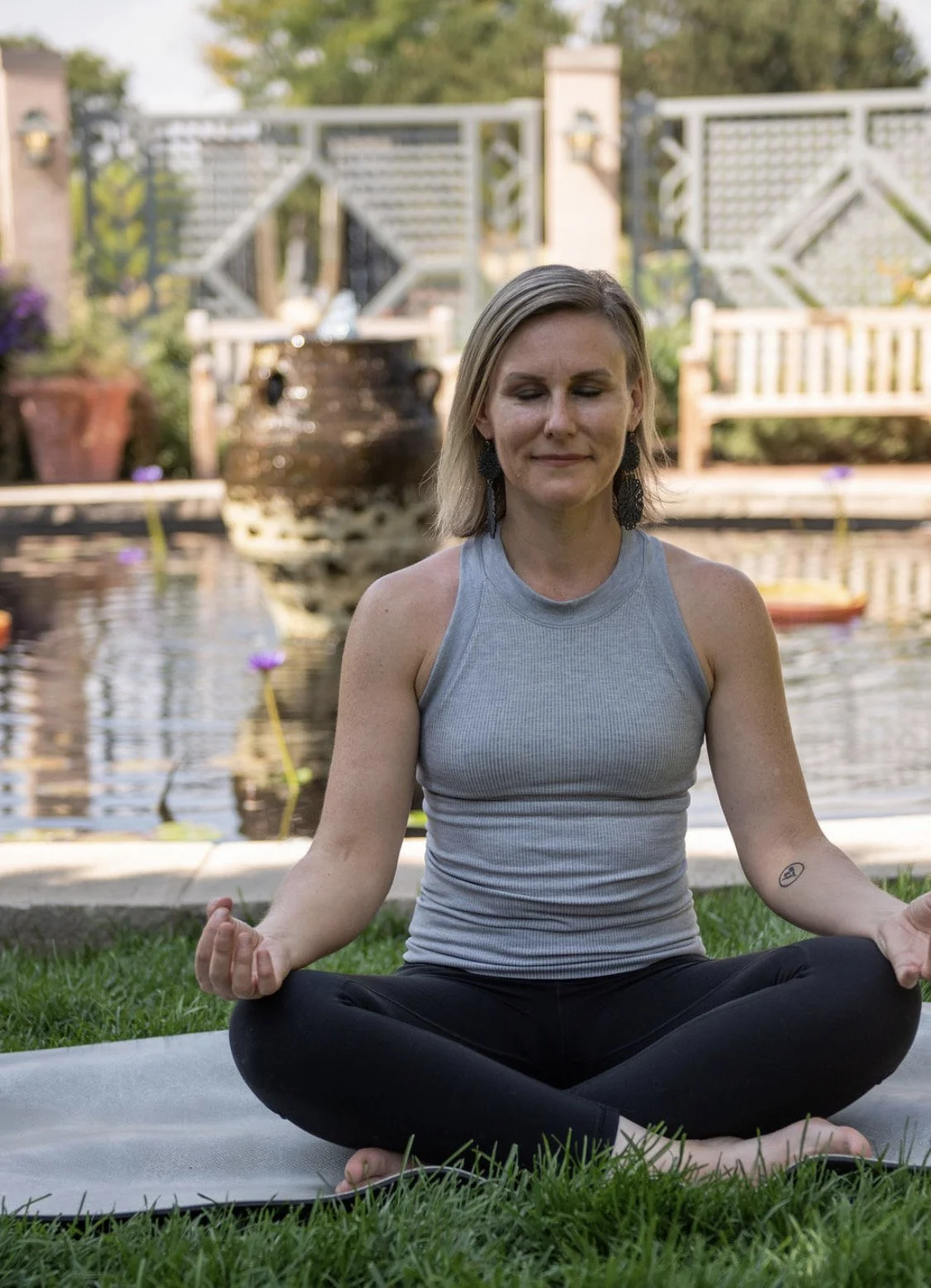
Classes for the beginner’s mind. For those new to yoga and those looking to re-align or refine a long-time practice. The key to these classes is foundation and demystifying yoga to make is accessible for all without extracting the essence of what makes yoga so magical. Craving more about the history or foundations of yoga? Click here.
Elevate Your Yoga Practice with Props
15-min Opening Movement -
YOGA + FOR PERIMENOPAUSE
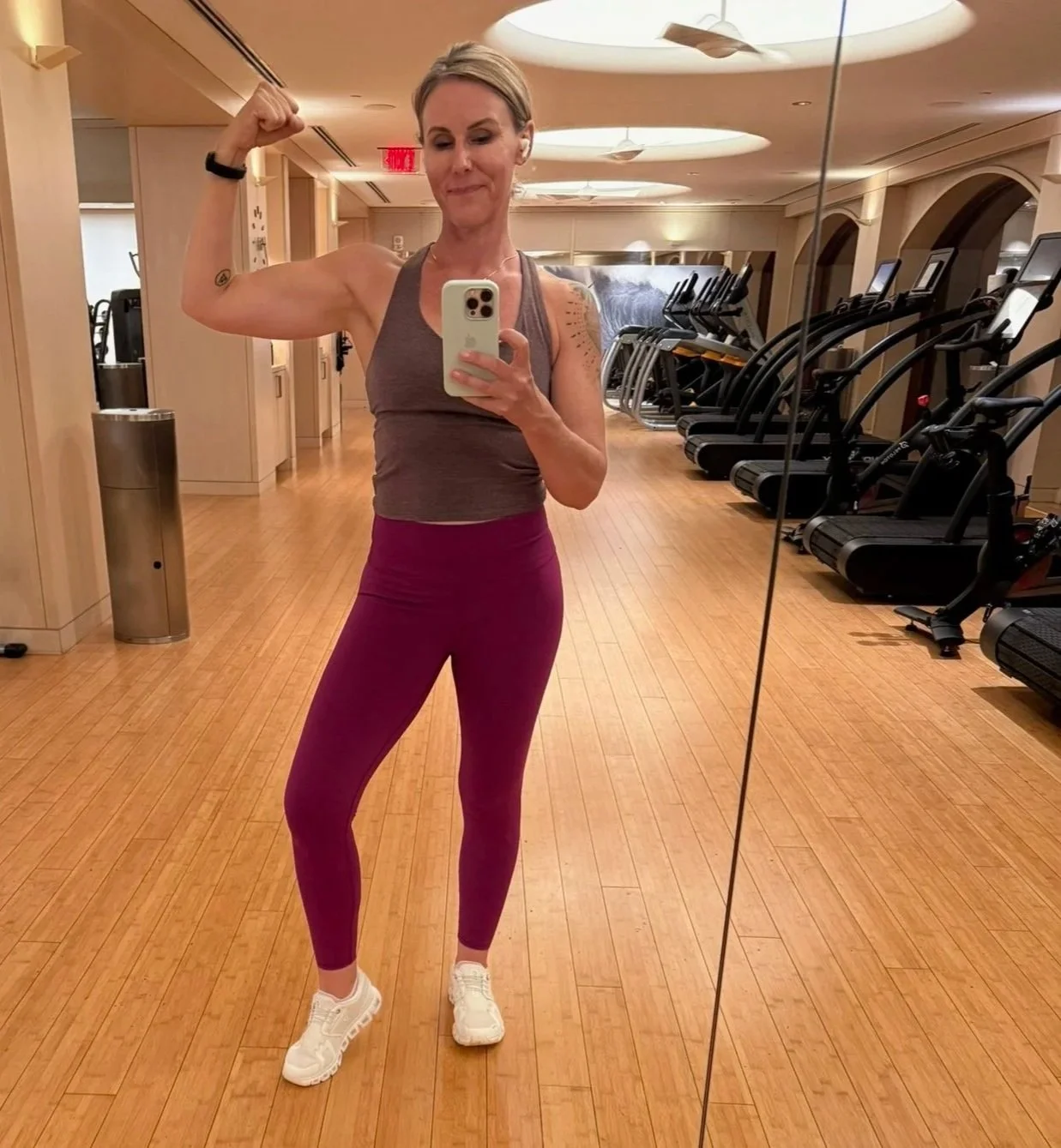
Yoga plus is a series I’m developing in my own practice. Focusing on strength, mobility, functional movement and emotional-balancing to support the blossoming transformation for all women seeking harmony during this transformation.
-
YOGA-INSPIRED
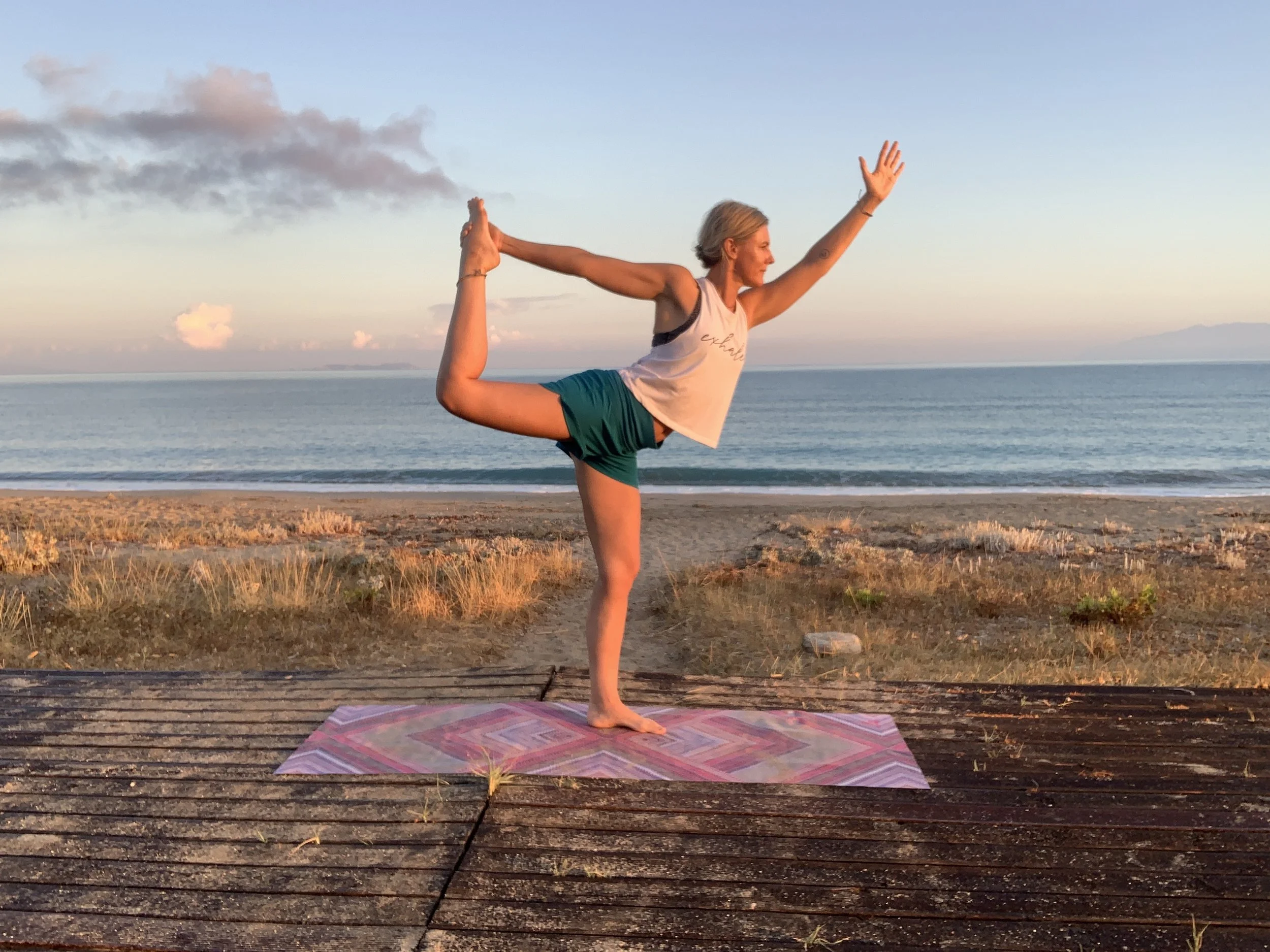
Enjoy a variety of all-levels, yoga-inspired and mindful movement design to meet you where you are at on your mat today!
-
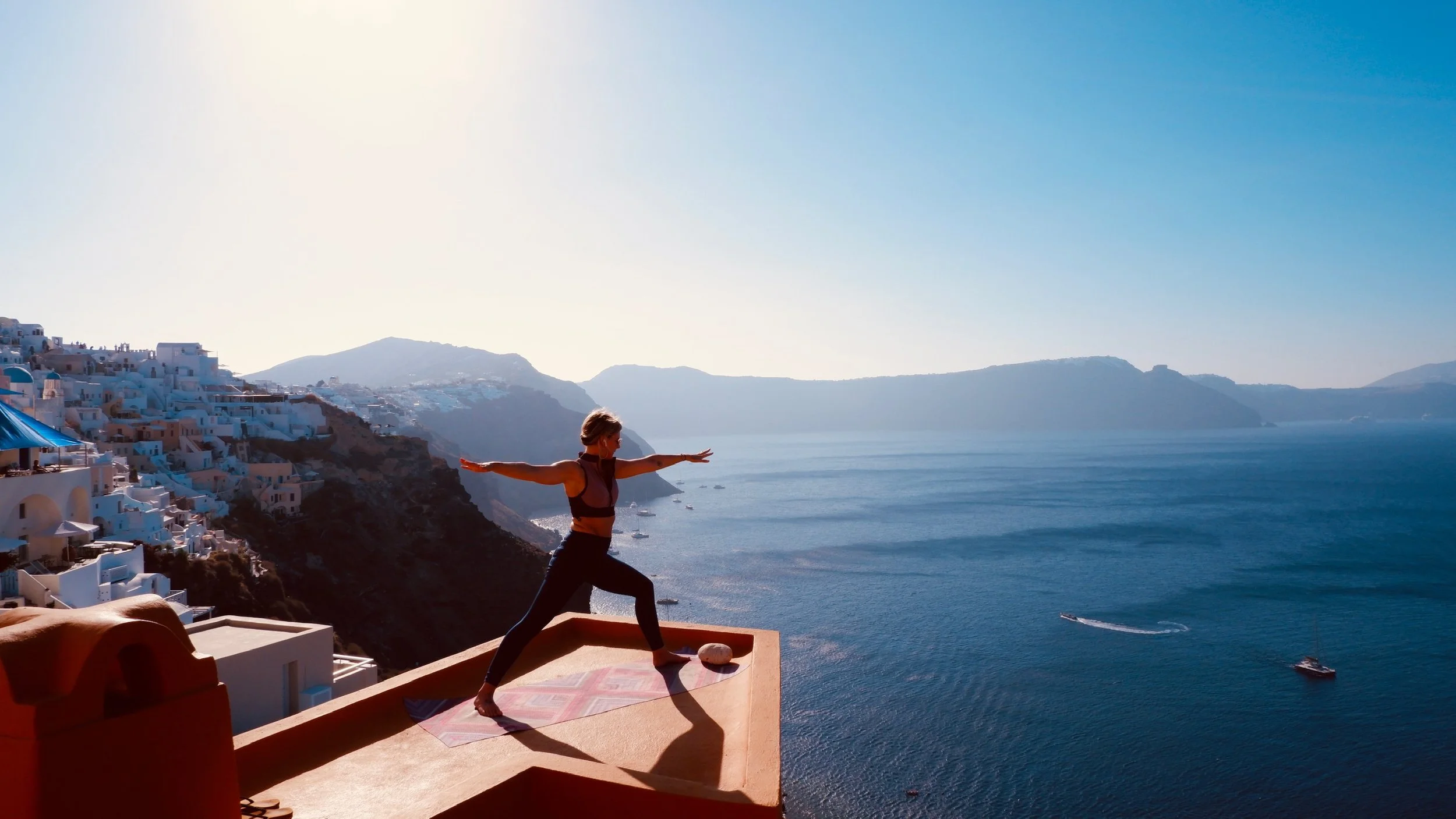
MORNING MOVEMENT
Dinacharya, the Ayurvedic approach to a daily morning routine involves a series of holistic rituals to help keep the vessel pure (mind, body and spirit). This involves techniques like tongue scraping, oil pulling, hydration therapy, dry brushing, oil massage, meditation and morning movement. Please enjoy some of my favorite ways to welcome a new day full of possibilities!
15-min Energizing Movement
10-min Intentional Yoga Flow -
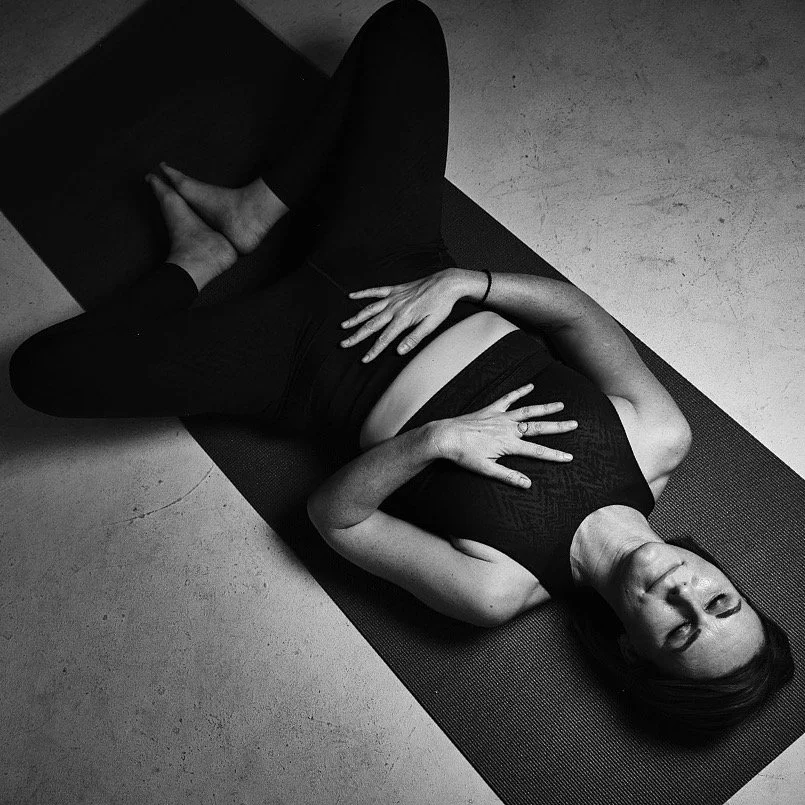
GENTLE YOGA
Classes to restore mind, body and being including yin and restorative to deep stretch and slower-paced movement.
Full-Body Restorative Yoga - 60 minutes
Full-Body Yin Yoga - 60 minutes
-
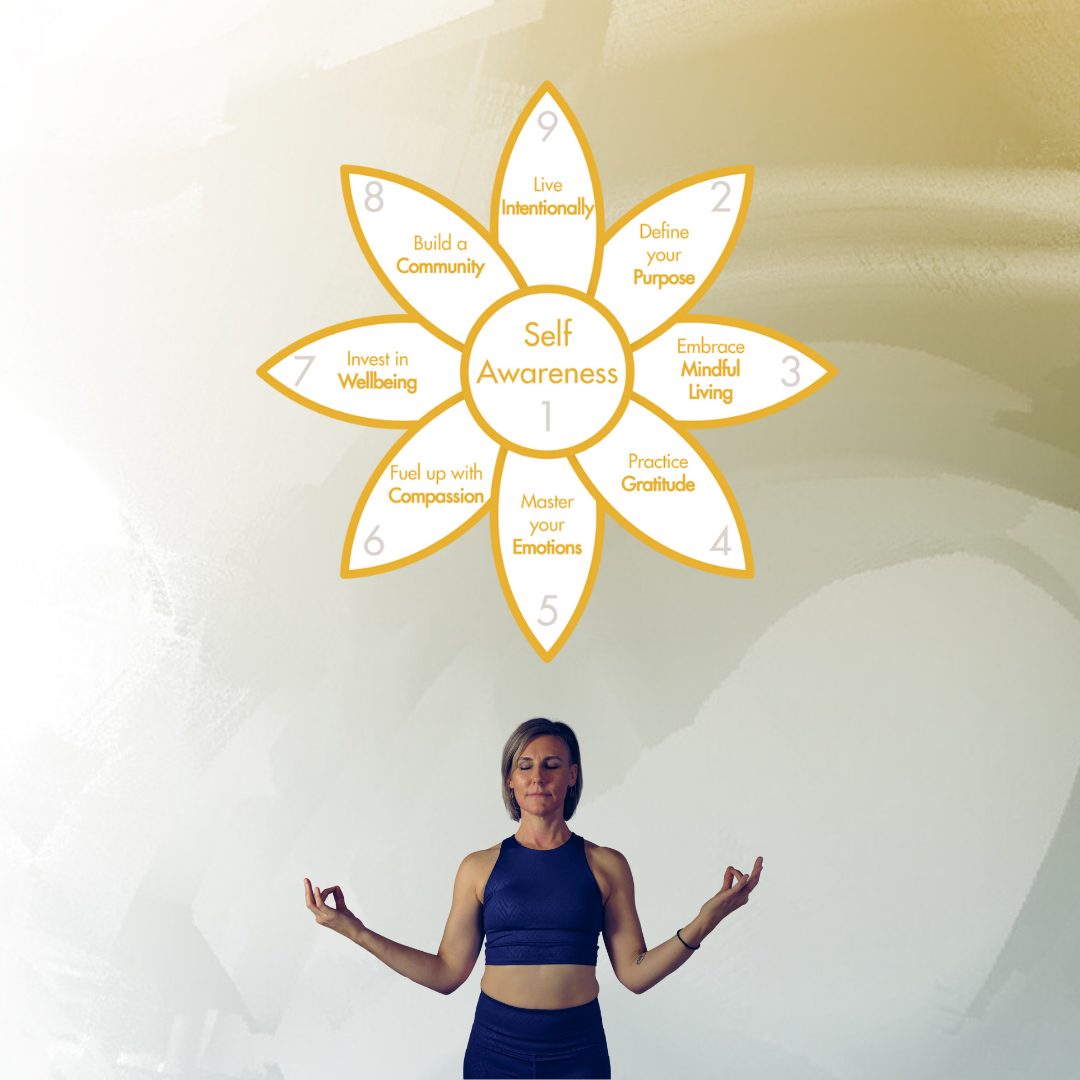
REWIRE YOGA
Activate the non-physical, emotional, spiritual and mental aspect of yoga and rewire your brain for happiness. It only takes 5 minute to create a happy habit. For more information visit my friend at The Happiness Squad.
Self-Awareness
Define Your Purpose
Mindful Living
Gratitude Practice
Master Your Emotions
Self-Compassion
Wellbeing
Build Community
Live Intentionally
New to yoga?
Begin here.
Welcome to the practice of YOU!
If you are new(er) to yoga, you may be wondering what is next? Students new to yoga may want to understand the foundations supporting the practice and the many more ways to experience yoga on and off the mat.
I recall the very first time I felt the magic of yoga in my first savasana back in 2003 and the magic hasn’t stopped though the experience keeps changing. It wasn’t long before I started taking workshops and training to learn more about yoga which eventually lead to my 200-hour Yoga Teacher Training at CorePower Yoga in 2008.
The practice yoga is individual and universal. The poses are always familiar and never the same. Just as you are always shifting form and shape, thoughts and emotions, you are never the same person when you begin in child’s pose or take your first deep breath in meditation, yet somehow you are always you.
I’ve pulled together these tips (from my yoga teacher training curriculum) to help you on your journey to discover more about the magic happening on your mat, and how it starts to impact your life off the mat. After mastering nearly 10,000 hours of teaching time (since becoming certified in 2008), I have crafted the following approach in my teaching which I label as “elemental flow.” Many vinyasa yoga teachers approach a sequence with a peak posture in mind or a guided theme that often fits a template such as:
Integration poses (such as Child’s Pose, Cat/Cow, Bird Dog)
Sun A (Opening Flow to Salute the Sun like Mountain, Cobra, Downward Facing Dog)
Sun B (Warrior Series postures to continue building the flow)
Core
Crescent Series & Twists
Balancing
Hips & Spine
Surrender series (preparing the body for rest in savasana)
My approach to planning my class sequences has always been intention-based. In my first few years as a teacher I would often plan and theme with the chakras, Ayurvedic doshas and then eventually the 8-limbs, the elements, the koshas, and deities, my favorite being Ganesha. Over the years I evolved my teaching skills and built my confidence into trusting my intuition. I started drawing from inspiration of everyday life (stress, careers, relationships, life purpose, meaning) and building sequences intuitively in the moment pulling from the energy of the room and my students. Currently I build my classes around what I call “intuitive sequencing.”
Intuitive Sequencing
Clearing - set a boundary to be here prepared to be nowhere else
Arrival - opening pranayama/breath work
Presence - connection through breath and senses
Discovery - internal awareness through the movement
Evolution - building the flow and progression of the asana
Achievement - surrendering to the stillness and receiving the benefits of the practice
Trust that your journey will happen as it is meant to happen. You’ll learn what you need to learn when you learn it as long as you trust that the answers you seek are within. There are endless resources available to study yoga - probably more now than time in this life will allow. There are key foundational stepping stones like understanding the history of yoga, the lineage, anatomy and physiology of poses, Sanskrit, to name a few and then there’s the other part to study, one of the 8-limbs actually, called svadhyaya. This is the part you do all on your own. It’s the curiosity and observation of the practice coming to life within you and around you.
Foundations of Yoga
Yoga means to “yoke” or create a union of mind, body, and Being. It is a journey into the self to discover your purest potential and explore life's deepest questions: Who am I? What do I want? What is my purpose?
The 8-Limbs of Yoga (Raja Yoga) provide a step-by-step methodology for a yogic life, formalizing the philosophy into a path for purification:
Yamas: Ethical restraints (Ahimsa, Satya, Asteya, Brahmacharya, Aparigraha).
Niyamas: Self-observances (Saucha, Santosha, Tapas, Svadhyaya, Ishvara Pranidhana).
Asana: Physical postures to increase strength and focus.
Pranayama: Breath and life force control.
Pratyahara: Withdrawal of the senses; turning inward.
Dharana: Concentration and focused gaze.
Dhyana: Meditation.
Samadhi: Union of the Self; absolute freedom.
Asana, Vinyasa, and Bandhas
Asana is the physical expression of yoga, using alignment to increase awareness of the body and mind. Vinyasa means “to place in a special way,” specifically synchronizing breath with movement to create a purposeful flow. Bandhas are energy locks (Mula, Uddiyana, and Jalandhara) that enhance energy flow during movement. The physical posture is one part of the whole which increases strength, endurance, stamina and focus of the physical and subtle body, and the mind. Alignment is a tool of refinement to take the proper seat of the pose. Alignment is conscious awareness of the sensation of the pose, in relationship to the mind and body, with intelligent and safe use of the body: muscle, joints, ligaments, bones.
Meditation and Ayurveda
Meditation is the pathway for connecting the mind back to the body, often felt as a “moving meditation” during flow. Ayurveda, the “science of life,” provides the framework for this journey through the three phases: Vata (Visionary), Pitta (Alchemist), and Kapha (Embodiment), helping you live with more meaning and joy off the mat.
Yoga
〰️
Meditation
〰️
Ayurveda
〰️
Yoga 〰️ Meditation 〰️ Ayurveda 〰️

Services are donation-based. Scan the QR to make a donation. Thank you!